


When it comes to assessing the performance of your roof, most people only think about shingles — but the layer beneath them, the roof underlayment, plays a critical role in protecting your home from leaks, wind damage, and other environmental threats.
Choosing the right roof underlayment type can save you money on repairs, extend your roof’s lifespan, and even affect your roof’s warranty.
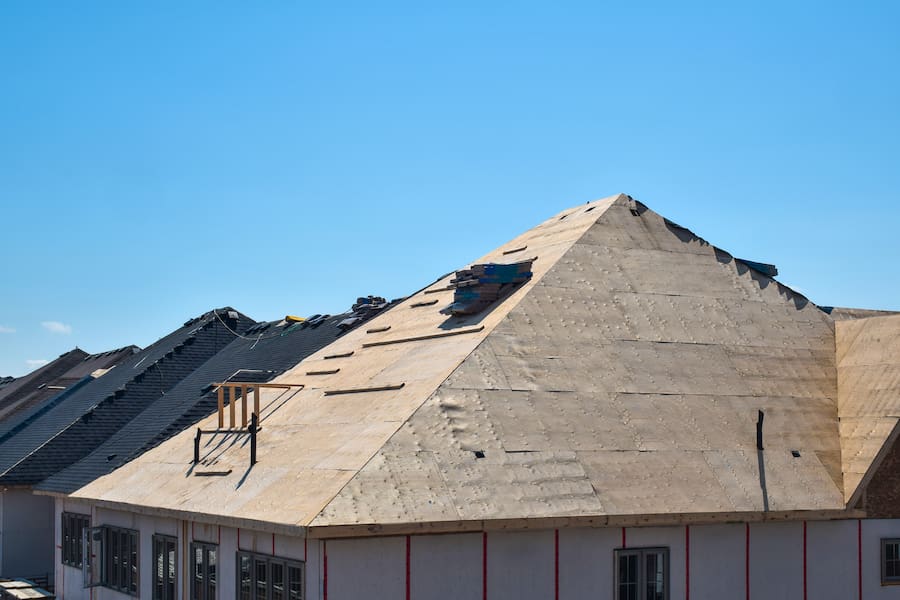
This guide will walk you through the most common roof underlayment types, explain how climate and roof type influence your choice, compare costs, and help you make informed decisions about your next roof replacement or repair.
Semper Fi has been serving residents throughout Wisconsin for over 20 years, delivering comprehensive, long-lasting roofing solutions with expert installation. If you’re planning a roof replacement or need professional advice about your roof’s underlayment, we’re here to help.
Call us today at (262)-500-4612 or contact us online and schedule a free consultation.
Why Roof Underlayment Matters
Roof underlayment is a protective barrier installed between your roof deck and shingles. Though it may not be visible, it’s essential for:
- Preventing water from penetrating the roof deck
- Protecting against wind-driven rain
- Minimizing damage from ice dams and snow
- Adding an extra layer of durability beneath shingles
Understanding Roof Underlayment Types
There are three primary underlayment types: felt, synthetic, and self-adhering membranes. Each has distinct benefits, costs, and applications.
Felt Underlayment
Definition: Felt underlayment, sometimes called tar paper, is made from natural or synthetic fibers saturated with asphalt.
It comes in two weights:
- 15-pound felt: Lightweight, budget-friendly, often used for standard residential roofs
- 30-pound felt: Heavier and more durable, ideal for low-slope or high-traffic roofs
Pros:
- Cost-effective and widely available
- Proven performance over decades
- Easy to install for standard roof projects
Cons:
- Less tear-resistant than synthetic options
- Shorter lifespan (10–20 years)
- Can be slippery during installation
Cost & Lifespan: Typically $0.30–$0.50 per square foot, lasting 10–20 years depending on climate and maintenance.

Synthetic Underlayment
Definition: Synthetic underlayment is made from polypropylene or polyethylene, offering superior durability, tear resistance, and UV protection.
Pros:
- Lightweight and easy to handle
- Highly tear-resistant
- UV-resistant for extended exposure
- Slip-resistant surface for safer installation
Cons:
- Higher cost than felt
- May require specific fasteners for some roofing systems
Best Uses: Steep-pitched roofs, areas with heavy rainfall or snow, or homeowners seeking long-term performance and minimal maintenance.
Self-Adhering Membranes
Definition: Self-adhering membranes, often made of rubberized asphalt, stick directly to the roof deck, forming a watertight barrier.
Pros:
- Superior waterproofing
- Ideal for low-slope roofs
- Adds energy efficiency by sealing air gaps
Cons:
- Higher upfront cost
- Requires precise installation
- Often requires professional installers
Cost & Lifespan: Typically $1–$2 per square foot, but homeowners often find the added protection worthwhile, especially in harsh climates.
How Climate and Region Factors In
The performance of underlayment varies depending on your local climate:
- Hot climates: Synthetic or self-adhering membranes handle UV exposure better than felt
- Snowy regions: Heavier felt or self-adhering membranes prevent leaks from ice dams
- High wind areas: Synthetic underlayment is tear-resistant, reducing damage from storms
- Humid or rainy areas: Self-adhering membranes provide a superior moisture barrier
At Semper Fi, we consider local weather patterns when recommending underlayment for roof replacements or repairs, ensuring your home receives protection tailored to your region.
Roof Replacement vs. Roof Repair
The approach to underlayment differs depending on the project:
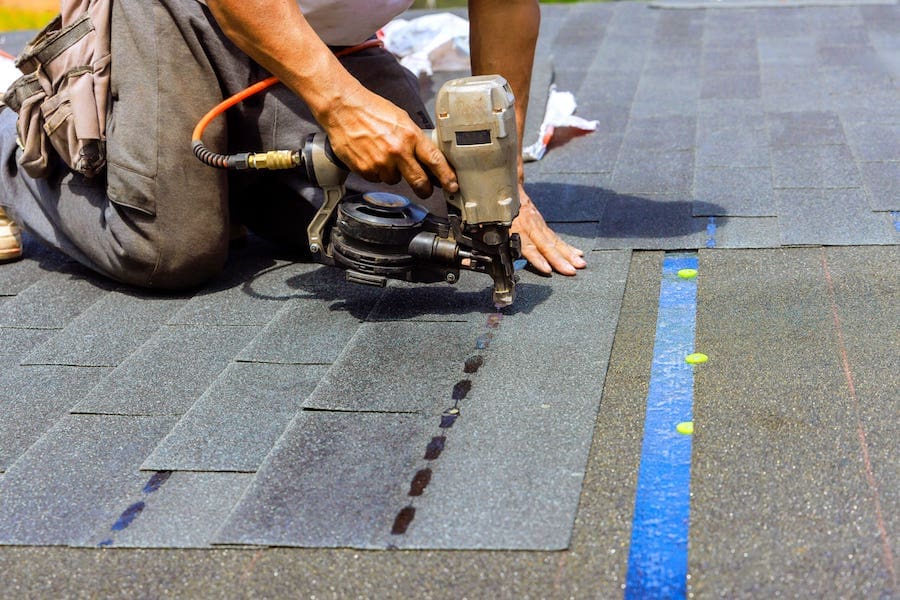
- Roof Replacement: The underlayment is completely removed and replaced. This is the best opportunity to choose the highest-quality underlayment that suits your roof type and local climate.
- Roof Repair: Only the damaged sections of underlayment are replaced. Choosing the right material ensures repaired sections integrate seamlessly with existing roofing and continue to provide protection.
Cost, Value, and ROI
When selecting roof underlayment, it’s important to consider both the initial cost and the long-term value. Each type of underlayment offers a balance of affordability, durability, and protection:
Felt Underlayment
- Initial Cost: Low, making it a budget-friendly option for many homeowners
- Lifespan: 10–20 years depending on climate and maintenance
- Maintenance: Requires periodic inspections to ensure it hasn’t torn or shifted
- Value Consideration: Offers a cost-effective solution for standard residential roofs but may need replacement sooner than other materials
Synthetic Underlayment
- Initial Cost: Medium, slightly higher than felt but offers enhanced performance
- Lifespan: 25–40 years, significantly longer than felt
- Maintenance: Minimal maintenance required; highly tear-resistant and UV-resistant
- Value Consideration: Longer-lasting and more durable, synthetic underlayment reduces repair frequency and provides a higher return on investment over time
- Some synthetic underlayments are made with recycled materials, which the EPA states can help reduce landfill waste.
Self-Adhering Membranes
- Initial Cost: High, as this is the premium option
- Lifespan: 30–50 years, ideal for extreme weather and low-slope roofs
- Maintenance: Low, with superior waterproofing and protection
- Value Consideration: Although the upfront cost is higher, the enhanced durability and leak prevention make this underlayment a smart investment, especially in areas prone to storms or heavy rainfall
Investing in higher-quality underlayment often saves money in the long run by preventing water damage, reducing repair costs, and extending the overall life of your roof.
Professional Roofing Solutions with Semper Fi
Your roof is one of the most important investments in your home, and selecting the right underlayment is only part of the process.
Whether you’re considering budget-friendly felt, versatile synthetic options, or premium self-adhering membranes, the right choice ensures your home is protected from water damage, wind, and weather-related wear for decades.
With Semper Fi Roofing & Exteriors, you get:
- Expert guidance on selecting the best underlayment for your roof type and local climate
- Professional installation that exceeds standards and adheres to local building codes
- According to the NRCA, proper underlayment installation is critical for meeting building code requirements and preventing roof leaks in residential construction.
- Full-service options for roof replacement or targeted repair projects
- Peace of mind knowing your investment is protected
Take the Next Step in Protecting Your Roof
Semper Fi has been serving homeowners across Wisconsin, including Milwaukee, Wauwatosa, West Allis, and Greenfield. Customer satisfaction is our top priority, and our team of experts consistently delivers results of the highest caliber.
If you’re in need of roofing services, look no further than Semper Fi.
Call us at (262)-500-4612 or contact us online today to schedule a free inspection, and let our team guide you to the most durable, cost-effective underlayment solution for your home.
FAQ: Roof Underlayment Types
Q: What are roof underlayment types and why are they important?
Roof underlayment types include felt, synthetic, and self-adhering membranes. Underlayment acts as a protective layer beneath shingles, preventing leaks, wind damage, and water intrusion, which helps extend your roof’s lifespan.
Q: How do I choose the right roof underlayment type for my home?
The best underlayment depends on your roof pitch, climate, and budget. Felt is cost-effective, synthetic offers durability and UV resistance, and self-adhering membranes provide superior waterproofing—ideal for low-slope or high-risk roofs.
Q: Do I need to replace underlayment every time I replace shingles?
Not always. If the existing underlayment is intact, replacement may not be necessary. However, damaged or aging underlayment should be replaced to prevent leaks and maintain roof integrity.