
Semper Fi Roofing & Exteriors knows that replacing a roof is a major investment, and Wisconsin homeowners often have one important question before work begins: Do I need a permit?
The answer is that roof permitting is an important part of many roofing projects in Wisconsin, including those in Waukesha. While permit requirements ultimately depend on the municipality and the scope of the work, permits help ensure roofing projects meet current building codes, pass inspections, and protect both homeowners and contractors.
Although permits can seem like another item on the project checklist, they exist for a good reason. They help verify that your new roof is installed safely, follows applicable building requirements, and protects your home’s long-term value.
In this guide, we’ll explain what homeowners in Waukesha should know about roof permitting, when permits are commonly required, how the permitting process typically works, and why working with an experienced roofing contractor makes the entire process much easier.
What Is Roof Permitting?
A roofing permit is authorization from the local building authority allowing certain roofing work to proceed after reviewing the project.
Rather than being unnecessary paperwork, permits serve several important purposes:
- Help ensure roofing work complies with applicable building codes
- Verify that proper installation methods and approved materials are used
- Allow inspections throughout or after construction
- Create documentation showing the work was completed legally
- Protect homeowners during insurance claims and future home sales
Wisconsin municipalities generally administer permits locally while following statewide building standards established through Wisconsin’s Uniform Dwelling Code for one- and two-family homes. That means the exact process may vary by municipality, but the underlying code requirements remain consistent throughout much of the state.
Does Waukesha Require Roof Permits?
For most full roof replacements or substantial reroofing projects, homeowners should expect that a permit will likely be required.
Wisconsin municipalities that enforce the Uniform Dwelling Code generally treat reroofing as permit-required work rather than simple maintenance. Even replacing an existing roof with new shingles does not automatically exempt a project from permitting requirements.
Every municipality can have its own application procedures, review timelines, and permit fees, which is why experienced local contractors verify requirements before work begins.
For homeowners in Waukesha, the safest approach is never to assume a permit is unnecessary. A qualified roofing contractor should determine what permits apply before scheduling installation.
Why Roof Permits Matter
Some homeowners wonder why permits are necessary if they’re simply replacing an existing roof.
The reason is that roofing involves much more than installing shingles.
During a reroofing project, contractors may expose decking, flashing, ventilation systems, underlayment, ice and water protection, and structural components that all contribute to your home’s weather protection.
Permits allow local officials to verify that work complies with current code requirements instead of simply covering existing problems.
A permitted project can also benefit homeowners by:
- Creating an official record of improvements
- Helping prevent installation shortcuts
- Providing documentation for future buyers
- Supporting insurance documentation if questions arise later
- Helping identify issues before they become expensive repairs
Skipping permits may create unnecessary complications later if work is questioned during a home inspection, insurance claim, or property sale. Several Wisconsin roofing resources also note that unpermitted work can lead to fines, project delays, or additional costs if corrections become necessary.
Projects That Commonly Require Roof Permitting
While every municipality makes its own determinations, permits are commonly associated with larger roofing projects rather than simple maintenance.
These often include:
Complete Roof Replacement
Removing an existing roof and installing an entirely new roofing system is one of the most common permit-required projects.
Because this work may expose roof decking and other structural components, municipalities often require review and inspection.
Structural Roofing Changes
Projects involving structural modifications typically require additional review.
Examples include:
- Changing roof framing
- Altering roof slope
- Expanding dormers
- Significant structural repairs
Roofing Material Changes
Changing from one roofing material to another may also require permitting because different roofing systems have different installation and structural considerations.
For example, replacing asphalt shingles with another roofing material could involve different code requirements depending on the project scope.
What About Minor Roof Repairs?
Not every roofing project automatically requires a permit.
Some smaller maintenance projects may not require permitting depending on local regulations and the amount of work involved.
Examples commonly mentioned include:
- Replacing a few damaged shingles
- Small wind damage repairs
- Routine maintenance
- Gutter cleaning
- Minor flashing repairs that do not alter the roof structure
However, because requirements vary by municipality, homeowners should avoid making assumptions. A reputable roofing contractor can determine whether the planned work falls under permit requirements before beginning the project.
Who Usually Obtains the Permit?
One of the biggest misconceptions homeowners have is believing they are responsible for navigating the permitting process.
In reality, reputable roofing contractors commonly handle permit applications as part of the project.
Wisconsin contractors performing permitted residential work must maintain the appropriate state credentials required for pulling residential permits. Resources discussing Wisconsin roofing permits recommend homeowners verify that contractors maintain current licensing and qualifications before work begins.
If a contractor suggests skipping permits or asks the homeowner to obtain one for work that normally requires contractor involvement, it is worth asking additional questions about the project and permitting requirements.
Many professional roofing companies include permit coordination, scheduling, and inspection management as part of their overall service.
What Does the Roof Permitting Process Look Like?
Although every municipality has its own procedures, the permitting process generally follows a similar sequence.
- The roofing contractor evaluates the project.
- Permit documentation is prepared.
- The application is submitted to the appropriate municipality.
- The municipality reviews the application.
- The permit is approved.
- Roofing work begins.
- Required inspections are completed.
- Final approval closes the permit.
Local permitting articles also emphasize that complete applications help prevent unnecessary delays caused by missing documentation or clarification requests.
How Long Does Roof Permitting Take?
Many homeowners are surprised to learn that permits are not always issued the same day.
Processing times vary based on:
- Municipality
- Time of year
- Application completeness
- Project complexity
- Inspector availability
Wisconsin roofing resources note that permit review may take anywhere from several business days to a couple of weeks depending on the municipality, while busy spring and summer seasons can extend overall project scheduling.
Because permitting occurs before installation begins, experienced contractors account for this timeline when scheduling roof replacements rather than promising unrealistic start dates.
What Do Inspectors Look For?
Permits are only one part of the process. Once work is complete, an inspection helps verify that the roof was installed according to the approved scope and applicable building requirements.
During a typical roofing inspection, officials may review items such as:
- The condition of the roof decking
- Proper installation of underlayment
- Ice and water protection where required
- Flashing around chimneys, valleys, and penetrations
- Roof ventilation
- Fastening methods
- Overall workmanship
- Compliance with the approved permit
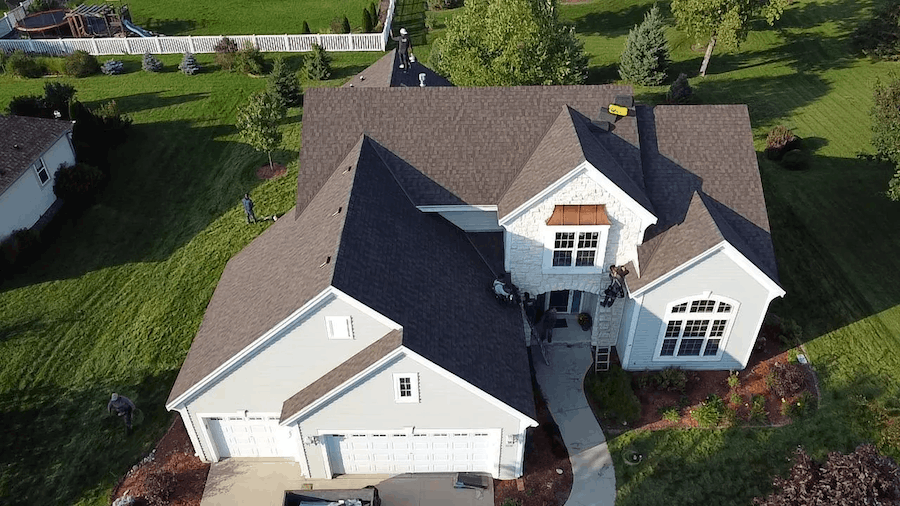
Inspectors are also looking for common problems that could shorten the roof’s lifespan or create safety concerns. Examples include reused flashing where replacement is appropriate, inadequate ice and water protection, damaged roof decking left in place, or roofing work that does not comply with Wisconsin requirements.
The inspection is designed to protect homeowners by confirming the finished roof meets current standards before the project is officially completed.
Wisconsin’s Two Layer Shingle Rule
One important Wisconsin requirement homeowners may not know about involves the number of existing roofing layers.
Wisconsin generally limits residential roofs to two layers of shingles. If a home already has two existing layers, contractors cannot simply install another layer on top. Instead, the existing roofing must typically be removed before installing the new roofing system.
This requirement affects several parts of a roofing project:
- Project planning
- Labor requirements
- Material disposal
- Permit documentation
- Inspection approval
Although removing old roofing adds time and labor, it also allows contractors to inspect the roof decking underneath and identify hidden moisture damage or deterioration before installing the new roof.
For homeowners, understanding this rule helps explain why one roofing estimate may differ from another. A complete proposal accounts for work required to meet current Wisconsin standards rather than simply offering the lowest possible price.
Residential and Commercial Roof Permitting
While many homeowners are concerned only with residential roofing, commercial roofing projects often involve additional permitting requirements.
The City of Waukesha’s commercial reroof permit application illustrates that commercial projects may require more documentation, including information about supervising design professionals for larger buildings, certifications regarding code compliance, and additional supporting documents before permits are approved. Commercial permits also include expiration timelines and specific submission requirements.
Residential roofing projects are generally more straightforward, but they still require following local permitting procedures whenever applicable.
This distinction is important because homeowners should avoid assuming commercial requirements automatically apply to residential projects, or vice versa.
Common Roof Permitting Mistakes to Avoid
One of the easiest ways to avoid project delays is by understanding the permitting process before construction begins.
Some of the most common mistakes include:
- Assuming every roofing project is permit-free
- Hiring a contractor who suggests skipping permits
- Beginning work before permit approval
- Choosing a contractor who cannot explain local permit requirements
- Failing to account for permit review time when scheduling a project
- Not keeping copies of permit and inspection documentation
Another common mistake is focusing only on the lowest estimate.
An unusually low roofing quote may not include items that are necessary for a code-compliant installation, such as permit coordination, tear-off requirements, inspections, or other project costs. Reviewing exactly what is included helps homeowners compare proposals more accurately.
Choosing a Roofing Contractor Who Understands Waukesha Permitting
The contractor you hire plays a significant role in how smoothly your roofing project progresses.
A contractor familiar with local municipalities throughout Waukesha County is better equipped to understand permitting procedures, documentation requirements, inspections, and local building expectations.
When comparing roofing companies, consider asking questions such as:
- Will you handle the permit application?
- Are permit fees included in the estimate?
- Will you coordinate inspections?
- Do you provide documentation after final approval?
- How familiar are you with roofing projects in Waukesha?
Contractors with local experience are often better prepared to anticipate potential issues before they delay the project, helping homeowners enjoy a smoother installation from beginning to end.
One Roofing Project Can Improve Your Entire Home
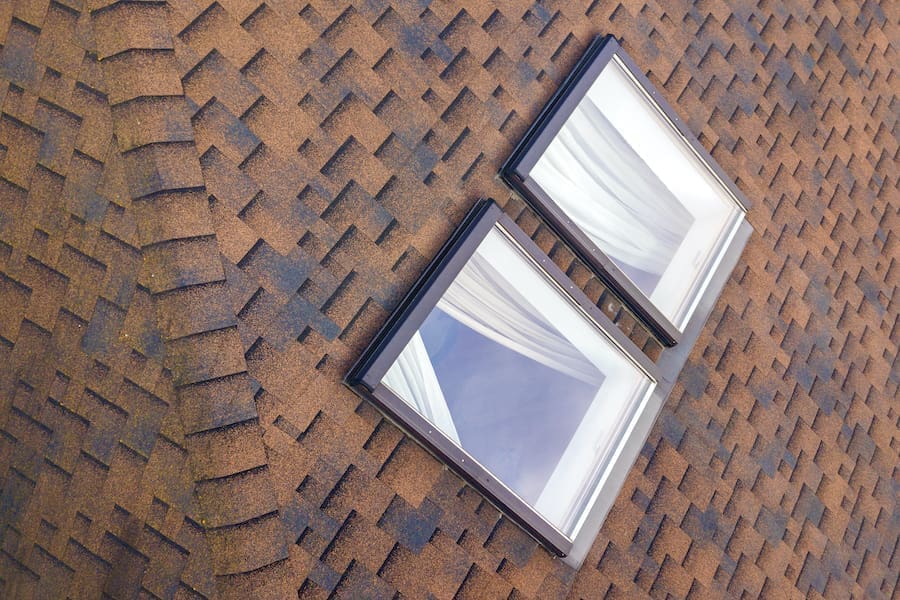
A new roof is often the perfect opportunity to improve other parts of your home’s exterior at the same time. Semper Fi Roofing & Exteriors can help homeowners with roof replacements using asphalt or composite roofing materials, roof repairs, skylight installation, gutter services, and attic insulation, making it easier to complete multiple improvements together while maximizing the performance and longevity of your new roofing system.
Final Thoughts on Roof Permitting in Waukesha
Roof permitting may seem like just another step before construction begins, but it plays an important role in protecting your home and your investment.
Permits help ensure roofing work follows current building requirements, receives the necessary inspections, and creates documentation that can be valuable for insurance purposes and future home sales. They also provide homeowners with greater confidence that their new roof has been installed according to accepted standards rather than cutting corners to save time or money.
Because permit requirements can vary by municipality and project scope, working with an experienced local contractor is one of the best ways to simplify the process. A knowledgeable roofing professional can determine whether permits are required, prepare the necessary paperwork, coordinate inspections, and keep your project moving forward with fewer surprises.
If you’re planning a roof replacement or reroofing project in Waukesha, Semper Fi Roofing & Exteriors is here to help. Our experienced team can answer your questions about roof permitting, guide you through every step of the roofing process, and deliver quality workmanship designed to protect your home for years to come. Contact us online or call 262-400-3282 today for a free estimate and let us help make your next roofing project as smooth and stress-free as possible.
FAQ: Roof Permitting in Waukesha
1. Do I need a permit to replace my roof in Waukesha?
Many full roof replacements and substantial reroofing projects require permits, although the exact requirements depend on the municipality where the property is located. Your roofing contractor can verify what applies to your specific project before work begins.
2. Who is responsible for obtaining a roofing permit?
In most cases, a qualified roofing contractor handles the permit application and coordinates inspections as part of the project. Homeowners should ask who will be responsible for permitting before signing a contract.
3. How long does roof permitting usually take?
Permit review times vary depending on the municipality, project complexity, and time of year. Some permits may be approved within several business days, while others can take longer during busy construction seasons.
4. What happens if roofing work is completed without a permit?
Unpermitted work may lead to project delays, fines, inspection issues, insurance complications, or additional requirements before selling a home. Following the proper permitting process helps avoid these potential problems.
5. Are minor roof repairs always required to have a permit?
Not necessarily. Minor repairs, such as replacing a small number of shingles, may not require a permit in some municipalities. Because requirements vary, it is always best to verify local regulations before work begins.
